Tulsa Bed Bug Removal Experts
Get Tulsa-smart pest control synchronized to our region's climate patterns. You'll benefit from IPM-driven inspections, access point and moisture surveys, and calibrated non-repellent solutions for common household pests. We implement seasonal monitoring, barrier techniques, snap-trap grids, and lockable bait stations - fully compliant with regulatory standards. Same-day service, SMS tracking, and transparent pricing ensure clarity. Count on thorough documentation, protection periods, and warranty terms based on pest activity levels. Learn about proven techniques, treatment calendars, and proven results.
Critical Findings
- Neighborhood-focused eco-conscious pest management tailored to Tulsa's varying climate conditions and neighborhood-specific pest concerns.
- Custom-timed pest control programs focusing on common pests including termites, ants, mosquitoes, roaches, spiders, and cold-weather pests, incorporating seasonal forecasting and temperature tracking.
- We prioritize integrated pest management, incorporating detailed inspection, exclusion strategies, and effective trapping, while utilizing lowest-risk treatments following strict pet and child safety protocols.
- Quick response inspections, with text message arrival notifications, transparent pricing determined by home size and pest severity, along with thorough service reports and service warranties.
- Detailed evaluations, precise treatments, and electronic documentation featuring images, products used, safety guidelines, and follow-up metrics.
Local Expertise: Essential for Tulsa's Pest Management
Because of Tulsa's seasonal changes between hot, humid summers and cold winters, pest populations shift quickly, and you require technicians who understand these patterns. You get value from specialists who interpret neighborhood pest patterns at the block level, correlate activity with degree-day data, and modify protocols as conditions evolve. Local expertise provides optimized monitoring intervals, strategic exclusion, and compliant product selection meeting Oklahoma regulations. Professionals trained in climate adaptation validate moisture gradients, evaluate entry points after thermal expansion-contraction cycles, and coordinate treatments to interrupt breeding windows. They document findings, assess thresholds, and implement least-risk controls first. You receive faster diagnostics, fewer callbacks, and measurable outcomes because technicians compare your site's microclimate to historical baselines, optimize tactics by season, and validate efficacy through follow-up metrics and detailed client-ready reports.
Typical Pest Issues in Tulsa Residential and Commercial Spaces
Tulsa experiences distinct seasonal pest patterns, with warm, humid months bringing increased activity from ants, mosquitoes, and ticks and rodents looking for indoor spaces during colder months. You need to monitor common urban pest hotspots like dumpsters, loading docks, food preparation areas, and HVAC passages, where cockroaches, flies, and stored-product pests thrive. With this knowledge of pest behavior, you can prioritize your inspection schedule, focus on exclusion techniques, and deploy strategic treatments.
Seasonal Pest Pressures
The climate in Tulsa frequently creates distinct patterns of pest activity that correlate with temperature and moisture variations. These patterns show a clear relationship between climate cycles and pest migration. Spring's warmer soil temperatures trigger increased termite foraging and ant scouting. The heat of early summer leads to increased mosquito reproduction in standing water while driving spiders inside. During midsummer, German cockroaches thrive in humid indoor spaces, and wasps build nests in structural voids.
When autumn arrives, rodents seek shelter indoors, taking advantage of utility penetrations and compromised threshold gaps. Seasonal pests like brown marmorated stink bugs and cluster flies infiltrate wall cavities during weather changes. Temperature fluctuations lead to occasional insect presence in climate-controlled spaces. You can minimize risk by sealing entry points, managing water sources, maintaining landscaping, and scheduling regular inspections during high-risk periods.
City Pest Concentration Areas
Throughout Tulsa's city layout, pest activity usually accumulates in specific zones where sustenance, moisture, and hiding spots intersect. Problem areas develop around waste areas, alleyway drains, and service corridors that create perfect environments. Roaches commonly populate drainage systems and wall cavities near restaurant facilities. Ant colonies establish paths from ground-based nests into building entry points and structural gaps. Brown rats exploit delivery areas, rail lines, and drainage systems, while roof rats access roof spaces along utility cables. Web-spinners and silverfish inhabit humid lower levels and utility spaces.
You can minimize incidence by sealing 1/4-inch gaps, fitting door sweeps, and screening vents. Calibrate irrigation to avoid pooling. Stage trash in lidded containers distant from walls. Maintain drain cleanliness. Prune vegetation clear of structures. Arrange perimeter checks and targeted baiting.
Warning Signs That Demand Your Attention
View suspicious droppings as evidence of current pest presence, observing physical characteristics and placement to identify the specific pest. Be sure to document persistent scratching sounds in walls, ceilings, or vents, most notably at night, to distinguish pest types accurately. Take swift action by logging what you notice and scheduling a professional inspection to prevent structural damage and contamination.
Atypical Droppings Detected
Discovering strange droppings indoors should alert you - the type, size, and location of feces can help identify the pest and associated risks. Examine the texture and shape carefully: bat droppings are crumbly and glossy with insect parts, usually collecting beneath attic beams; bird droppings are dry and oval-shaped, frequently showing bone or feather fragments near building openings. Rodent waste appears rice-shaped; new droppings look moist and black, commonly found along baseboards and pantry areas. Cockroach waste looks like ground pepper or coffee particles, clustered in cabinet joints and appliance gaps. Notice wetness, spread patterns, and smells - ammoniacal odors suggest current infestations. Don't clean unfamiliar droppings without dampening; wear safety gloves, mist with sanitizer, package securely, and document with pictures. Then immediately arrange a professional Tulsa inspection.
Continuous Scratching Sounds
Often, light rustling and movement inside walls, ceiling spaces, or floor cavities suggests pests creating navigation paths and shelters. You're probably detecting mice, rats, squirrels, or cockroaches creating routes to food sources and shelter. Pay attention to timing: nocturnal rustling suggests mice or rats, while daytime activity may indicate squirrels. Monitor areas: sounds typically concentrate in attics, soffits, and along baseboards, revealing access points and nesting areas.
Distinguish different noise patterns. Rapid, subtle clicking often indicates roaches; while heavier, sporadic gnawing points to rodents. When noises increase after dark, you're observing active feeding patterns. Avoid breaking through walls without evaluation; you might spread infestations or distribute hazardous materials. Instead, track timing, locations, and occurrence patterns. Block exterior entry points, place secure monitoring systems, and remove available food. Subsequently book a professional inspection to establish targeted exclusion methods, complete cleaning, and regular observation.
Environmental Safety Standards and Sustainable Treatments
Why choose pest control that protects both your home and Tulsa's natural habitats? You get specific results without unwanted effects. We utilize integrated pest management, prioritizing inspection, prevention, and mechanical controls before pesticides. When required, you sign off on lowest-risk treatments, adjusted to label rates and exposure limits. You can ask for organic options aligned with OMRI or FIFRA 25(b) exemptions to reduce residues and non-target impacts.
We engineer protected areas to safeguard pollinators, ponds, and beneficial arthropods. We utilize documented drift controls, detailed surface treatments, and controlled waste management protocols. Our specialists adhere to PPE, SDS, and EPA/ODAFF compliance, with child, pet, and asthma-safe protocols. Following application, we evaluate results and recommend habitat restoration: closing access areas, fixing dampness concerns, maintaining plant growth, and organizing refuse to ensure get more info continued effectiveness.
Prompt Service and Clear Pricing
When pest problems become severe, we provide quick assistance-our service network ensures rapid response assessments and targeted treatments across Tulsa. You can schedule urgent assistance online or through our phone line, and we'll assign a certified expert according to proximity, critical nature, and access requirements. Visit schedules are confirmed via text message with GPS tracking to minimize your wait.
You shall know costs in advance. We offer flat rate service plans based on the size of the structure, pest levels, and treatment scope. No fuel surcharges, no additional weekend fees, and no surprise charges—complete price clarity prior to starting the service. If the situation alters on location, we deliver a documented update for your confirmation prior to moving forward. Post-service, you will receive a comprehensive electronic report detailing materials applied, sites addressed, as well as the terms of your warranty for quick follow-up if required.
Proven Multi-Pest Treatment
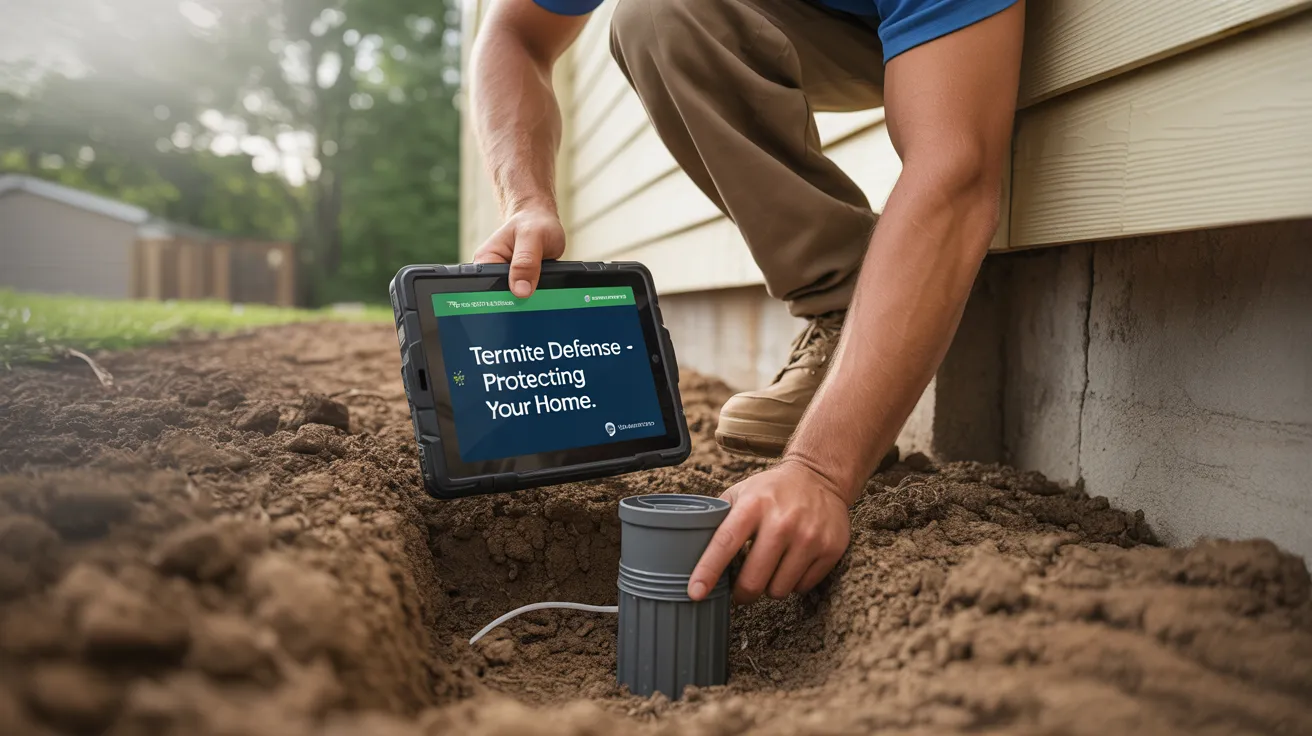
Stop infestations at the source with focused programs calibrated to Tulsa’s environment and construction styles. You’ll get targeted protocols that follow label directions and Oklahoma regulations. For termites, technicians set up in-ground bait stations, track consumption, and administer exterior barrier treatments to stop foragers. For ants, we determine the nesting species, employ non-repellent transfer actives, and close entry points to stop re-intrusion. For spiders, we lessen harborage, apply treatments to eaves, soffits, and wall voids, and install exclusion mesh at utility penetrations. For rodents, we implement snap-trap grids, lockable exterior bait stations, and structural exclusion with chew-resistant materials.
We meticulously track factors that promote pests, fine-tune product applications according to substrate and temperature, and verify results through follow-up inspections. You receive detailed service records, availability of product SDS, and standard-meeting, verifiable outcomes.
Comprehensive Maintenance Plans for All-Season Protection
Scheduled preventive upkeep preserves Tulsa properties ahead of seasonal pest pressure and regulatory requirements. You enroll in a organized maintenance schedule that coordinates service frequencies with local pest phenology and weather patterns. Our specialists conduct seasonal inspections, assess pest levels, and adjust barrier treatments, pest-proofing measures, and bait stations to keep properties pest-free.
Service plans outline maintenance intervals, permitted solutions, and documentation protocols. Digital documentation is provided documenting inspection results, remedial actions, and regulatory notes suitable for audits and property records. Warranty coverage links to adherence to guidelines, providing complementary services if situations fulfill established requirements. You'll also get preventive condition scoring for risk elements-moisture, access points, hiding spots-and sequential improvement measures. The result is dependable prevention, fewer emergency situations, and reduced pest-related expenditures across all seasons.
Your Service Visit: What to Expect
As a precursor to the technician coming over, you’ll get a confirmed time window and preparation instructions (e.g., ensure unobstructed access to attic areas, the crawl space, utility areas, and exterior perimeters). You’ll receive an notification of arrival message. When the professional shows up, ask for technician ID verification and cross-check it to your work order. The technician will assess your concerns, check interior and exterior zones, document conducive conditions, and identify target pests.
Following this, you'll be presented with a comprehensive breakdown that covers procedures, solutions, target areas, and safety periods. Your specialist will detail entry-point exclusion, bait placements, and monitoring device locations. You'll learn about when to return safely, safety measures for children and pets, and warranty details.
Following the service, there will be comprehensive cleanup: granules swept away, service stations properly maintained, thorough label removal, and proper PPE disposal. We'll send you detailed service documentation, containing observations, photographic evidence, and guidance for next steps.
Selecting the Perfect Tulsa Professional for Lasting Peace of Mind
Even though multiple providers may seem comparable initially, you should evaluate Tulsa companies based on their licensing, service methodology, and accountability. Confirm Oklahoma pesticide applicator licenses and insurance credentials. Request a written outline that specifies service procedures, pest identification, treatment types, application methods, and safety periods. Assess integrated pest management proficiency: observation standards, barrier methods, environmental controls, and focused applications.
Confirm key service indicators: response time, escalation protocols, and documentation requirements. Obtain digital service documentation with photos, safety data sheets, and location maps. Review warranty terms in writing-coverage period, retreat thresholds, and restrictions. Assess service continuity: personnel development cadence, security screening, and QA assessments. Review references, digital records, and civic collaborations that demonstrate local commitment. Establish transparent costs, explicit cancellation policies, and data security protocols. Choose the service company that proves outcomes, not guarantees.
Questions & Answers
Are Unmarked, Discreet Service Vehicles Available for Privacy-Conscious Clients?
Yes, you can request discreet service. We use unmarked vehicles, such as standard transport, timed to ensure discretion. You choose access points, contact procedures, and verification procedures. Our staff dress discreetly, utilize discrete equipment, and minimize operational noise. We remove external identifiers on invoices and digital appointments when requested. Navigation omits location details. You get pre-arrival verification and discrete verification for authentication. Every process adhere to industry regulations.
How Do Technicians Handle Multi-Unit Property Service Without Tenant Disruption?
Absolutely. Multi-unit property servicing can be done without tenant disturbance. We implement strategic scheduling, tenant-friendly coordination, and systematic routing to limit foot traffic and noise. Technicians use tenant-friendly products, advanced filtration systems, and appropriate safety equipment. Management receives advance notification, proper notices are posted, and access schedules are respected. Access is documented through secure key tracking. Our treatments are zone-specific, maintain clear exit routes, and utilize digital documentation for quick, unobtrusive follow-up visits.
What About Pet-Safe Options for Birds, Reptiles, and Other Exotic Animals?
You'll find animal-friendly alternatives for exotic animals. Our approach includes safe and reliable techniques: we use avian-friendly insecticides and deploy reptile-safe traps to ensure the safety of vulnerable pets. We carefully review treatment options for chemical content, solvents, and pyrethroid content, emphasizing barrier techniques and proper sanitation. Our team will map out living spaces, identify air vents, and coordinate treatments separate from feeding periods. You'll get complete SDS documentation, clear buffer zones, and detailed post-treatment ventilation guidelines to guarantee safety standards.
Are written guarantees available for real estate transactions or rentals?
Absolutely. You receive written warranties customized for real estate deals and lease arrangements. We specify service parameters, treatment results, and time frames, matching closing inspections and escrow coordination requirements. Documentation details reservice terms, coverage periods, property condition prerequisites and exclusions (like pest problems caused by tenants). You'll get signed, dated assurances suitable for mortgage, title company, and property manager requirements. As required, we furnish individual unit addendums, treatment verification reports and conformity certificates to complete your closing documentation.
Can You Integrate With Smart-Home Devices for Monitoring and Alerts?
Yes. We offer smart-home device integration for monitoring and alert purposes. Smart sensor compatibility includes (Z-Wave, Zigbee, Wi‑Fi) and tie them into your hub for event-driven triggers. Configure your desired thresholds, zones, and scheduling options, then receive remote alerts via app, SMS, or email. We provide encrypted data transmission, role-based access, and audit logs. We offer API integration with webhook callbacks and MQTT capability. You can automate scenes, create geofenced rules, and export telemetry for compliance reporting.
Conclusion
As luck would have it, you're looking at this right when Tulsa's peak pest season intensifies. You've noticed the indicators, evaluated green treatment choices, and verified same-day availability and upfront rates. Now, opt for a certified local team with tested termite, ant, spider, and rodent protocols, plus preventative care to lock in all-season coverage. During service, anticipate complete evaluation, specific solutions, comprehensive documentation, and compliance with safety standards. Take action today-combine timing, expertise, and readiness-to safeguard your space and restore lasting protection.